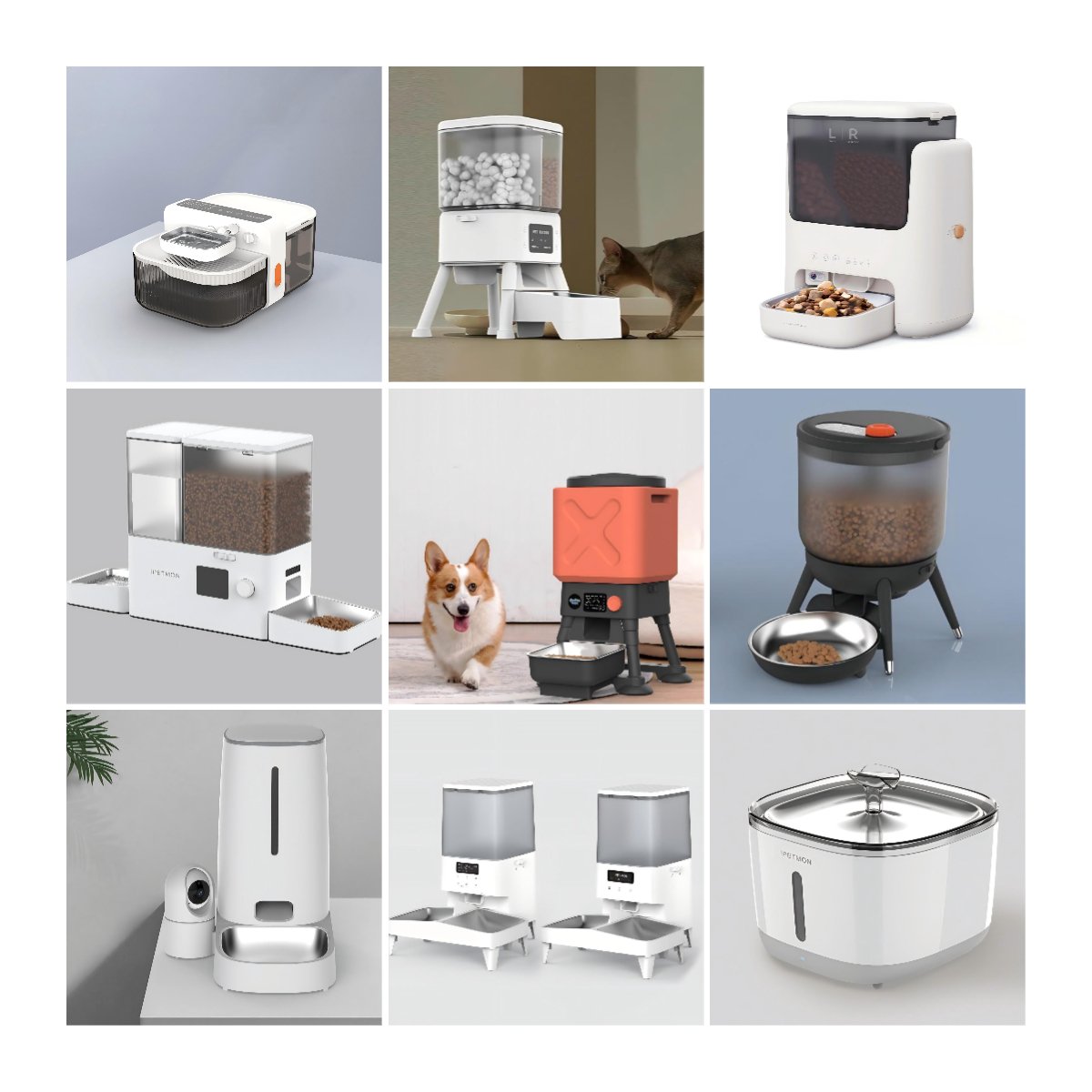

Choosing a pet product manufacturer is the decision that determines your margin, your lead time and how much of your launch you can control. The questions below are the ones that separate a workable partner from an expensive lesson.
What to verify before you commit
- Is the supplier the factory? Ask who actually runs the moulding and assembly lines. Trading intermediaries add cost and remove your ability to fix problems at source.
- Quality system. Ask for the certificate itself, not the claim — an ISO9001 quality management system certificate, plus product test reports from third parties such as SGS or Intertek.
- Market compliance. For the markets you sell into, confirm which reports the factory can supply, for example CE and FCC certification reports or a certificate of origin where export requires one.
- IP protection. Ask whether a confidentiality agreement can be signed, how drawings and moulds are stored, and whether your customised product will be offered to other buyers.
- After-sales reality. Ask what happens when a batch arrives faulty, and who pays.
How to start a pet brand with an OEM manufacturer
Start with an existing platform rather than a blank sheet. OEM means the factory’s proven hardware carries your logo, colourway, packaging and manual — the shortest route to a product you can sell. ODM means you bring the function specification and the factory develops the private mould, which takes longer and costs more but produces a product that is not on anyone else’s catalogue. Most first launches are better served by OEM on one or two models, with ODM reserved for a second generation once you know what your buyers ask for.
Pet product MOQ explained
MOQ is not arbitrary — it maps to how the factory is set up to run. A typical structure separates four cases:
- Spot wholesale on existing stock — the lowest threshold, because nothing new is produced.
- OEM customisation — higher, because of setup, logo tooling and packaging runs.
- ODM private label — similar to OEM, and it includes mould development or modification.
- Joint development — usually negotiable, priced per project.
As a reference point, our own pet feeder terms are 100 units for spot wholesale and 200 units for OEM or ODM private label, with joint development negotiable. Ask any supplier to state MOQ separately for each of those four cases; a single blanket number usually means the answer has not been thought through.
Sample, lead time and payment terms
Sample lead time is typically far shorter than production lead time, and sample fees are often refundable against a later bulk order — worth confirming in writing. Payment structure matters as much as price: a deposit-plus-balance schedule ties your cash flow to the production milestone rather than to the order date. For a full worked example, see our fountain OEM/ODM terms.
The questions that predict a good partnership
Ask for the last three problems the factory had with a custom order and how they were resolved. A partner who can describe failures clearly is generally more useful than one who claims there are none.